How Marinas Support Sustainable Boating
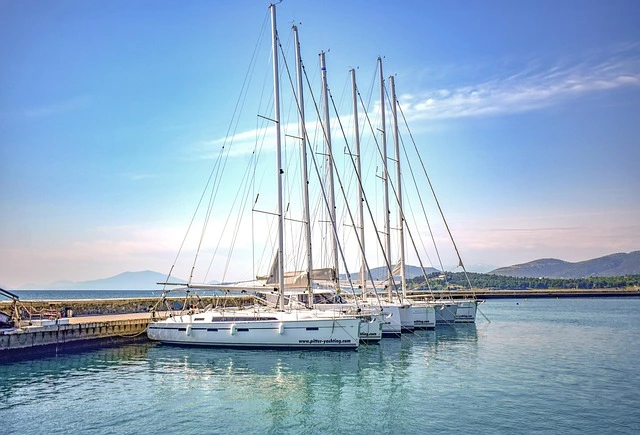
Sustainable boating is becoming increasingly important as more people enjoy recreational activities on the water. With the growing number of boats and yachts worldwide, protecting marine ecosystems and maintaining clean waterways has become a priority for the boating industry. Marinas play a crucial role in promoting sustainable boating practices by providing infrastructure, services, and environmental programs that reduce pollution and protect aquatic habitats. By adopting responsible management strategies, modern marinas help boat owners enjoy the water while minimizing their environmental impact.
Waste Management Systems
One of the primary ways marinas support sustainable boating is through effective waste management systems. Boats can produce different types of waste, including garbage, sewage, oil, and chemicals. Without proper disposal methods, these materials could easily pollute the surrounding water and harm marine life.
Professional marinas provide designated waste disposal areas where boat owners can safely discard trash and recyclable materials. Many marinas also install pump-out stations that allow boats to empty their sewage tanks in an environmentally responsible way. These systems prevent harmful waste from entering the water and help maintain healthy marine environments.
Oil and Fuel Spill Prevention
Fuel and oil spills are a major concern in boating areas because even small amounts can damage marine ecosystems. Marinas work to prevent spills by providing controlled fueling stations designed specifically for boats and yachts.
These fueling docks are equipped with spill containment systems and absorbent materials that can quickly manage accidental leaks. Marina staff are often trained in spill response procedures to ensure that any incidents are handled immediately. Clear fueling guidelines and proper equipment reduce the chances of fuel contamination in the water.
Eco-Friendly Infrastructure
Modern marinas are increasingly designed with sustainability in mind. Floating docks, environmentally friendly building materials, and energy-efficient lighting systems are becoming standard features in many marina developments.
Some marinas also incorporate renewable energy technologies such as solar panels and wind-powered systems to reduce electricity consumption. These innovations help lower the marina’s overall environmental footprint while providing reliable services to boat owners.
Eco-friendly infrastructure ensures that marina operations remain efficient without causing unnecessary harm to coastal ecosystems.
Water Quality Protection
Maintaining clean water is essential for both marine life and recreational boating. Marinas often implement water quality monitoring programs to detect pollution and ensure that environmental standards are met.
Many marinas install filtration systems or floating barriers that capture debris and pollutants before they spread through the harbor. In addition, regular cleaning and maintenance of marina facilities help prevent contaminants from entering the water.
By protecting water quality, marinas create a healthier environment for fish, plants, and other aquatic species.
Promoting Responsible Boating Practices
Marinas also play an educational role by encouraging boat owners to adopt environmentally friendly boating habits. Information boards, workshops, and training programs may be provided to teach boaters about sustainable practices.
These programs often cover topics such as proper waste disposal, reducing fuel consumption, avoiding damage to coral reefs, and using eco-friendly cleaning products. When boat owners understand how their actions affect the environment, they are more likely to make responsible choices.
Education and awareness help create a culture of sustainability within the boating community.
Supporting Eco-Friendly Boat Maintenance
Boat maintenance activities such as hull cleaning, painting, and engine servicing can sometimes release harmful chemicals into the water if not managed properly. Professional marinas address this issue by providing designated maintenance areas with containment systems.
These facilities allow technicians to perform repairs and cleaning while preventing debris or toxic materials from entering the water. Some marinas also promote the use of environmentally friendly paints and cleaning products that reduce pollution.
By controlling maintenance activities, marinas help keep both boats and waterways in better condition.
Protecting Marine Habitats
Marinas are often located in coastal areas that support important marine habitats such as seagrass beds, coral reefs, and wetlands. Responsible marina management includes protecting these sensitive ecosystems from damage caused by boat traffic and infrastructure development.
Some marinas establish no-wake zones to reduce wave impact near fragile habitats. Others use environmentally sensitive dock designs that allow sunlight to reach underwater plants, helping them continue to grow naturally.
These conservation measures ensure that marina operations do not disrupt the balance of marine ecosystems.
Encouraging the Use of Cleaner Technologies
The boating industry is gradually shifting toward cleaner and more energy-efficient technologies. Marinas support this transition by offering facilities that accommodate electric or hybrid boats.
Charging stations for electric vessels are beginning to appear in some modern marinas, making it easier for boat owners to adopt environmentally friendly propulsion systems. Additionally, marinas may provide incentives or information encouraging boaters to upgrade to cleaner engines and equipment.
Supporting these technologies helps reduce air and water pollution associated with traditional fuel-powered boats.
Community and Environmental Programs
Many marinas participate in environmental initiatives and community programs focused on protecting coastal environments. These activities may include beach cleanups, marine conservation projects, and partnerships with environmental organizations.
By involving local communities and boat owners in these efforts, marinas create a shared responsibility for maintaining healthy waterways. These programs also raise awareness about the importance of preserving marine ecosystems for future generations.
Long-Term Benefits of Sustainable Marina Practices
Sustainable marina operations benefit both the environment and the boating industry. Clean water, healthy marine habitats, and responsible boating practices make marinas more attractive destinations for visitors and boat owners.
Environmental stewardship also helps marinas comply with regulatory requirements and avoid costly environmental damage. Over time, sustainable practices contribute to stronger coastal economies and more enjoyable recreational boating experiences.
Conclusion
Marinas play a vital role in promoting sustainable boating by providing the infrastructure, services, and education needed to protect marine environments. Through waste management systems, spill prevention measures, eco-friendly infrastructure, and community initiatives, marinas help reduce the environmental impact of boating activities. By supporting responsible boating practices and encouraging cleaner technologies, modern marinas ensure that waterways remain clean, safe, and vibrant. Sustainable marina management allows boaters to continue enjoying the beauty of the water while preserving marine ecosystems for future generations.

Post Comment