Essential Docking Equipment for Boats and Yachts
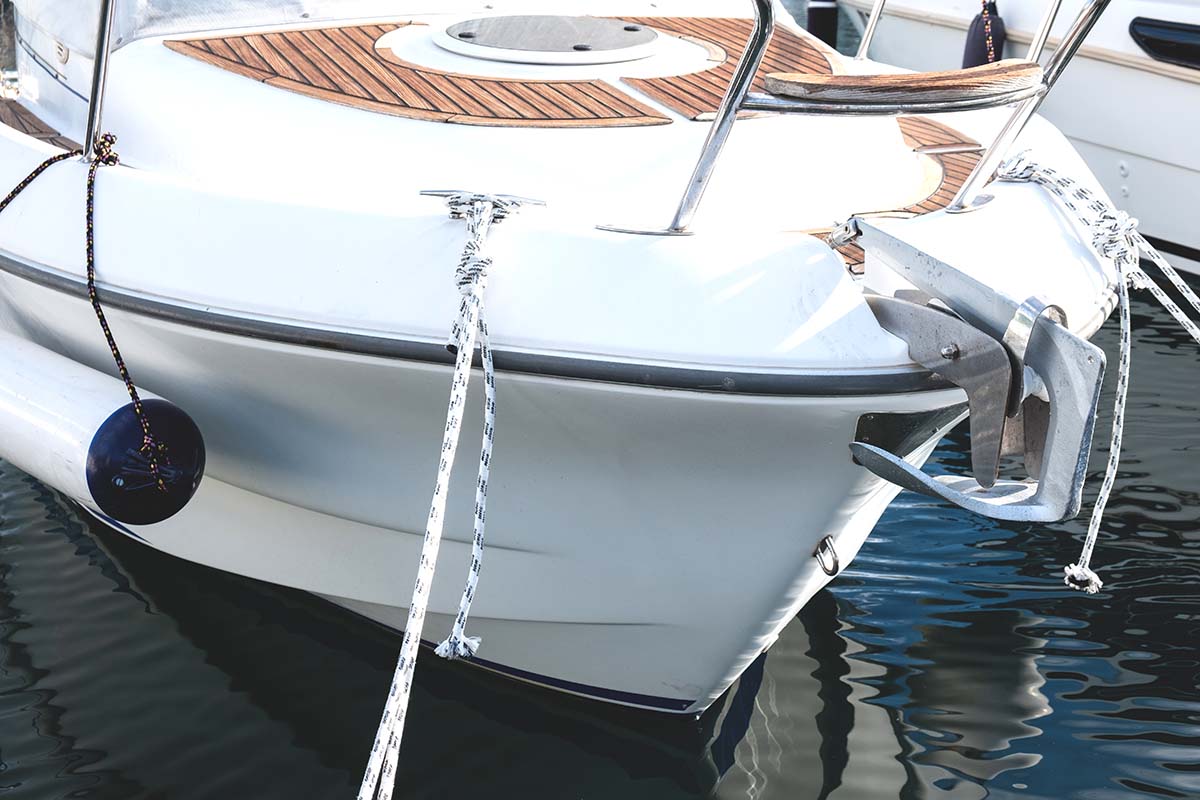
Docking a boat or yacht safely requires the right equipment and proper preparation. Whether you are docking at a marina, private dock, or harbor, using the correct docking gear helps protect your vessel from damage and ensures smooth and secure mooring. Boats and yachts can be affected by wind, waves, and currents, so reliable docking equipment is essential for maintaining stability and safety. Understanding the most important docking tools allows boat owners and crew members to manage docking procedures efficiently and avoid costly accidents.
Dock Lines (Mooring Lines)
Dock lines, also known as mooring lines, are one of the most important pieces of docking equipment for any boat or yacht. These strong ropes are used to secure the vessel to the dock and keep it in place while it is not in motion. Dock lines are typically made from durable materials such as nylon or polyester, which provide strength and flexibility.
Different types of lines are used for various docking positions. Bow lines secure the front of the boat, stern lines hold the back, and spring lines prevent forward or backward movement. Properly tying and adjusting these lines ensures the boat remains stable even when tides or waves change.
Boat Fenders
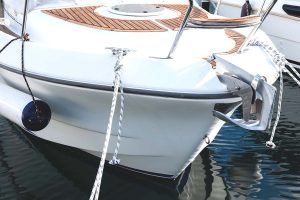
Boat fenders act as protective cushions placed between the boat and the dock or between two vessels. Their main purpose is to prevent scratches, dents, or structural damage during docking. Fenders are usually made from durable rubber or inflatable materials and come in different shapes and sizes.
When docking, fenders should be positioned along the sides of the boat where contact with the dock is most likely. Proper placement of fenders reduces the risk of impact damage and protects the boat’s hull from unnecessary wear.
Cleats
Cleats are metal fittings installed on both boats and docks that allow mooring lines to be secured firmly. They provide a reliable point for tying dock lines and maintaining tension in the ropes. Boat cleats are designed to handle significant force, making them essential for keeping vessels safely moored.
When docking a boat, crew members wrap mooring lines around cleats in a specific pattern to ensure the rope stays tight and secure. Proper use of cleats prevents the boat from drifting away from the dock.
Dock Bumpers and Edge Protectors
Dock bumpers are installed along the edges of docks and piers to reduce impact when boats come alongside. These bumpers are usually made from rubber or foam and act as a protective barrier between the dock and the vessel.
For busy marinas where many boats dock daily, dock bumpers are especially important. They help prevent damage not only to boats but also to the dock structure itself. Edge protectors may also be installed on sharp dock corners to avoid accidental scratches or dents.
Boat Hooks
A boat hook is a long pole with a hook at the end that helps crew members grab lines, docks, or mooring rings while docking. Boat hooks are particularly useful when the vessel is slightly out of reach from the dock.
Instead of risking unsafe movements or leaning too far over the boat, crew members can use a boat hook to guide lines into position or pull the boat closer to the dock. This tool makes docking easier and safer, especially in tight marina spaces.
Docking Lights
Docking lights are another important piece of equipment, especially for boats that may arrive at a marina during nighttime or low-visibility conditions. These lights illuminate the docking area and help captains see obstacles, docks, and other vessels clearly.
Modern docking lights are often LED-based and energy efficient. They provide bright illumination without consuming excessive power from the boat’s electrical system. Proper lighting improves safety and reduces the chances of docking accidents.
Mooring Buoys
In some locations, boats are secured using mooring buoys instead of docks. A mooring buoy is a floating device anchored to the seabed that allows boats to tie up safely in open water.
Using a mooring buoy helps prevent anchor damage to sensitive marine environments and provides a stable point for securing the vessel. Many marinas and harbors install mooring buoys for visiting boats that may not have access to dock space.
Anchor and Anchor Lines
Although anchors are mainly used for holding a boat in open water, they can also assist in docking situations. For example, in certain docking methods such as Mediterranean mooring, the anchor is deployed from the bow while the stern is secured to the dock.
Anchors provide additional stability and prevent the vessel from drifting away from its docking position. A reliable anchor system is therefore an important part of a boat’s overall docking equipment.
Fender Lines and Accessories
Fender lines are used to secure fenders in the correct position along the boat’s hull. Adjustable fender lines allow boat owners to move fenders up or down depending on dock height and water level.
Additional accessories such as fender clips, rope protectors, and line holders can also improve docking efficiency. These small tools help organize docking equipment and make the process faster and safer.
Docking Assistance Technology
Modern boats and yachts may also include advanced docking technology. Features such as bow thrusters, stern thrusters, and joystick docking systems allow captains to maneuver vessels more precisely in tight marina spaces.
These systems reduce the effort required for docking and improve control in challenging weather conditions. While traditional docking equipment remains essential, technology can provide an additional level of convenience and safety.
Importance of Proper Docking Preparation
Even with the best equipment, successful docking requires preparation and coordination. Crew members should prepare dock lines and fenders before approaching the dock, ensuring everything is ready for quick use.
Communication between the captain and crew is also critical during docking. Clear instructions help ensure that lines are secured properly and that the vessel remains stable once it reaches the dock.
Regular inspection of docking equipment is also recommended. Worn ropes, damaged fenders, or loose cleats should be replaced or repaired to maintain safety.
Conclusion
Essential docking equipment plays a crucial role in protecting boats and yachts while ensuring safe and efficient mooring. Dock lines, fenders, cleats, boat hooks, and other tools work together to keep vessels secure and prevent damage during docking. Modern marinas and boat owners rely on these tools to manage the challenges of wind, waves, and limited docking space. By investing in high-quality docking equipment and learning proper docking techniques, boat owners can enhance safety, extend the life of their vessel, and enjoy a smooth and stress-free boating experience every time they arrive at the dock.


Post Comment