Complete Guide to Yacht Berthing at Modern Marinas
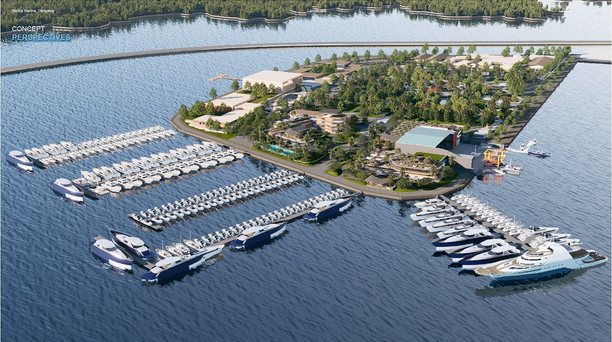
Yacht berthing is an essential aspect of boating that ensures vessels are safely docked while providing access to necessary marina facilities. Modern marinas are designed to accommodate a wide range of yachts, from small recreational boats to large luxury vessels. They provide secure docking infrastructure, advanced navigation support, and convenient services for yacht owners and crews. Understanding how yacht berthing works at modern marinas can help boaters ensure safe docking, efficient operations, and a comfortable marina experience.
Understanding Yacht Berthing
Yacht berthing refers to the process of docking and securing a yacht at a designated space within a marina. A berth is essentially a parking spot for a boat where it can remain safely moored. Modern marinas are carefully designed to maximize safety, convenience, and accessibility for vessels of various sizes.
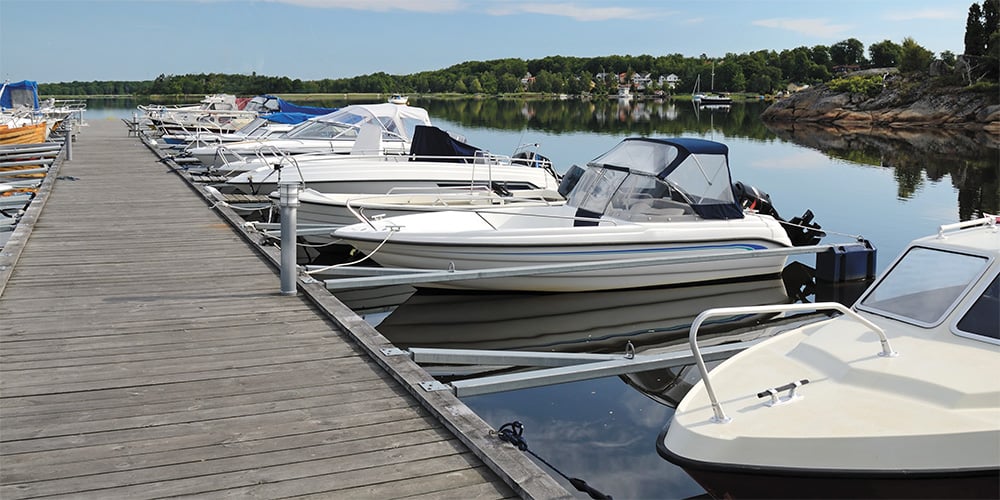
Berths may be located along floating docks, fixed piers, or specialized marina structures. Each berth typically includes mooring cleats, fender systems, and utility connections such as electricity and water. Yacht operators must carefully guide their vessel into the assigned berth and secure it using mooring lines to prevent movement caused by wind, waves, or tidal changes.
Types of Marina Berths
Modern marinas offer different types of berthing options depending on the layout of the marina and the size of the vessel.
Side-to Berthing
This is one of the most common berthing methods where the yacht docks parallel to the pier or dock. It allows easy access for passengers and crew and is often used for smaller yachts and boats.
Med Mooring (Mediterranean Mooring)
In this style, the yacht reverses toward the dock and secures its stern to the quay while the bow is held by anchors or mooring lines. This method is popular in busy marinas because it allows more yachts to fit into a limited space.
Finger Berths
Finger docks extend from the main dock, creating individual spaces for yachts. This setup provides easy boarding from the side and offers more stability during docking.
Alongside Berths for Superyachts
Large yachts and superyachts often require longer berths positioned along the outer edges of marinas. These spaces are designed to accommodate vessels with greater length and draft.
Essential Marina Infrastructure
Modern marinas are equipped with infrastructure that supports safe and convenient yacht berthing. One of the most important features is the floating dock system. Floating docks move with the water level, making it easier for yachts to remain stable even during tidal changes.
Utility pedestals are also commonly installed at berths. These provide access to electricity, fresh water, and sometimes high-speed internet connections. Fuel stations located within the marina allow yacht owners to refuel conveniently without leaving the harbor.
Many marinas also have advanced safety systems, including surveillance cameras, fire protection equipment, and marina staff trained to assist with docking procedures.
Preparing for Berthing
Before approaching a marina, yacht operators should take several steps to ensure a smooth berthing process. Communication with the marina office is essential. Most marinas require vessels to request a berth in advance or notify the harbor master upon arrival.
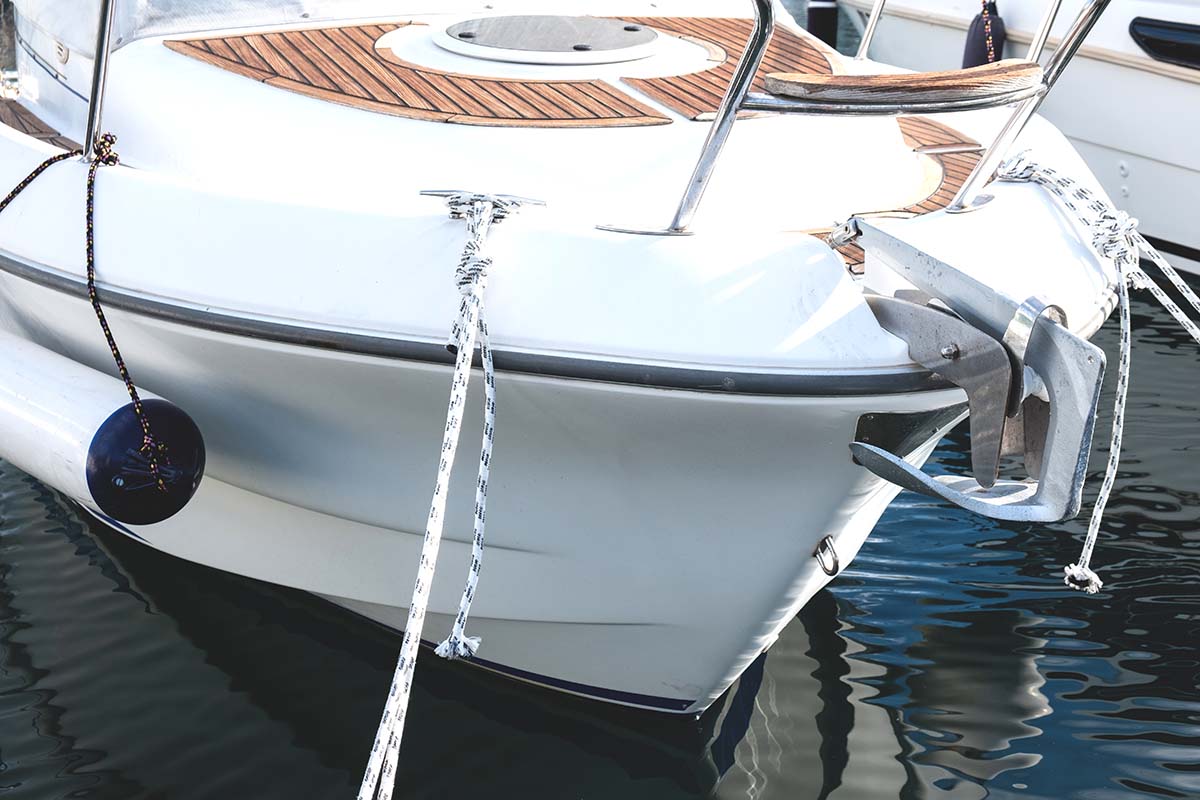
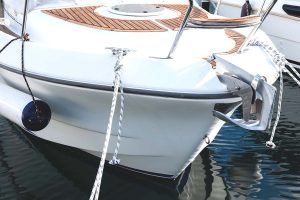
Once the berth is assigned, the yacht operator should prepare mooring lines and fenders. Fenders are protective cushions placed between the yacht and the dock to prevent damage during docking.
Reducing speed and carefully aligning the vessel with the berth is also important. Strong winds, currents, or limited space can make docking challenging, so careful navigation and patience are necessary.
The Berthing Process
When entering the marina, yachts must follow designated navigation channels and speed limits. Approaching the berth slowly allows the captain to maintain control of the vessel and adjust positioning as needed.
Crew members typically assist by handling mooring lines. Once the yacht is positioned correctly, lines are secured to dock cleats to hold the vessel in place. Bow lines, stern lines, and spring lines help stabilize the yacht and prevent it from moving forward, backward, or sideways.
Proper line tension is important because tides and water movement can change the yacht’s position over time. Adjustments may be needed to ensure the vessel remains safely secured.
Safety Considerations
Safety is a major priority when berthing yachts at modern marinas. Docking accidents can cause damage to vessels, docks, or nearby boats. To reduce risks, operators should always approach the berth slowly and maintain full control of the yacht.
Weather conditions must also be considered. High winds or strong currents can make berthing more difficult, so extra caution and assistance may be required. Some marinas provide docking personnel who help guide yachts into position and secure lines.
Additionally, proper use of fenders and mooring lines helps protect the yacht from scratches, impacts, or movement caused by waves.
Marina Amenities and Services
Modern marinas offer more than just docking space. Many provide a wide range of amenities designed to improve the experience for yacht owners and crews.
Maintenance services are often available for engine repairs, hull cleaning, and technical support. Waste disposal and environmental management systems ensure that marinas operate responsibly and protect marine ecosystems.
Luxury marinas may also include restaurants, lounges, crew accommodation, swimming pools, and fitness centers. These facilities transform marinas into vibrant waterfront communities where travelers can relax and socialize.
Environmental Considerations
Sustainable marina management is becoming increasingly important. Many modern marinas are adopting environmentally friendly practices to reduce pollution and protect marine life.
These initiatives may include water treatment systems, recycling programs, and restrictions on waste discharge from yachts. Some marinas also encourage the use of eco-friendly cleaning products and energy-efficient systems.
Protecting the surrounding marine environment ensures that marinas remain safe and enjoyable destinations for future generations of boaters.
Choosing the Right Marina Berth
Selecting the right berth depends on several factors, including yacht size, draft, and duration of stay. Yacht owners should ensure the berth provides adequate depth, length, and maneuvering space.
Accessibility to marina facilities and proximity to city attractions may also influence the choice. Some marinas are located near popular tourist destinations, making them ideal for yacht travelers exploring coastal regions.
Security, maintenance services, and overall marina reputation are additional factors that should be considered before booking a berth.
Conclusion
Yacht berthing at modern marinas combines careful navigation, proper mooring techniques, and access to advanced marina infrastructure. By understanding the berthing process and preparing properly, yacht operators can dock safely and enjoy the many benefits that modern marinas provide. From secure docking systems and essential utilities to luxury amenities and environmental initiatives, today’s marinas are designed to offer convenience, safety, and comfort for yacht owners and crews. Whether for a short stopover or a long-term stay, efficient yacht berthing ensures a smooth and enjoyable marina experience.

Post Comment