Beginner’s Guide to Docking Large Yachts
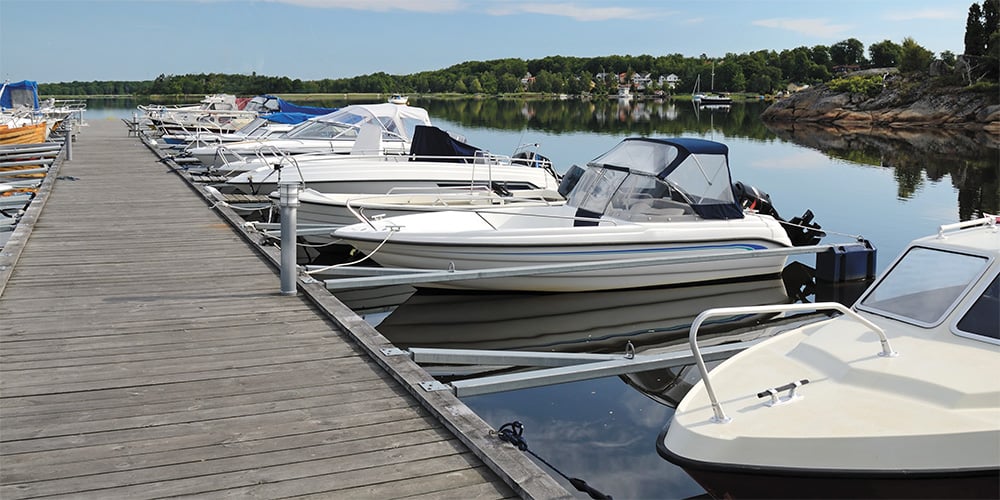
Docking a large yacht can be one of the most challenging tasks for new yacht operators. Unlike smaller boats, large yachts require careful planning, precise maneuvering, and strong coordination between the captain and crew. Factors such as wind, currents, vessel size, and marina space all play an important role during the docking process. For beginners, learning proper docking techniques and understanding the equipment involved can greatly reduce stress and prevent costly damage. With the right preparation and practice, docking a large yacht can become a smooth and controlled operation.
Understanding the Challenges of Large Yacht Docking
Large yachts are heavier and less responsive than small boats, which means they take more time to stop or change direction. Their size also requires more space when entering or leaving a marina berth. In addition, wind and water currents can easily push a large yacht off course, making docking more difficult.
Another challenge is limited visibility from the helm. The captain may not be able to see every part of the vessel, especially the stern or the sides close to the dock. For this reason, crew members positioned around the yacht play a critical role in assisting with docking.
Understanding these challenges helps beginners approach the docking process with patience and caution.
Preparing Before Approaching the Dock
Preparation is one of the most important steps when docking a large yacht. Before entering the marina, the captain should contact the marina office or dockmaster to confirm the assigned berth and any specific docking instructions.
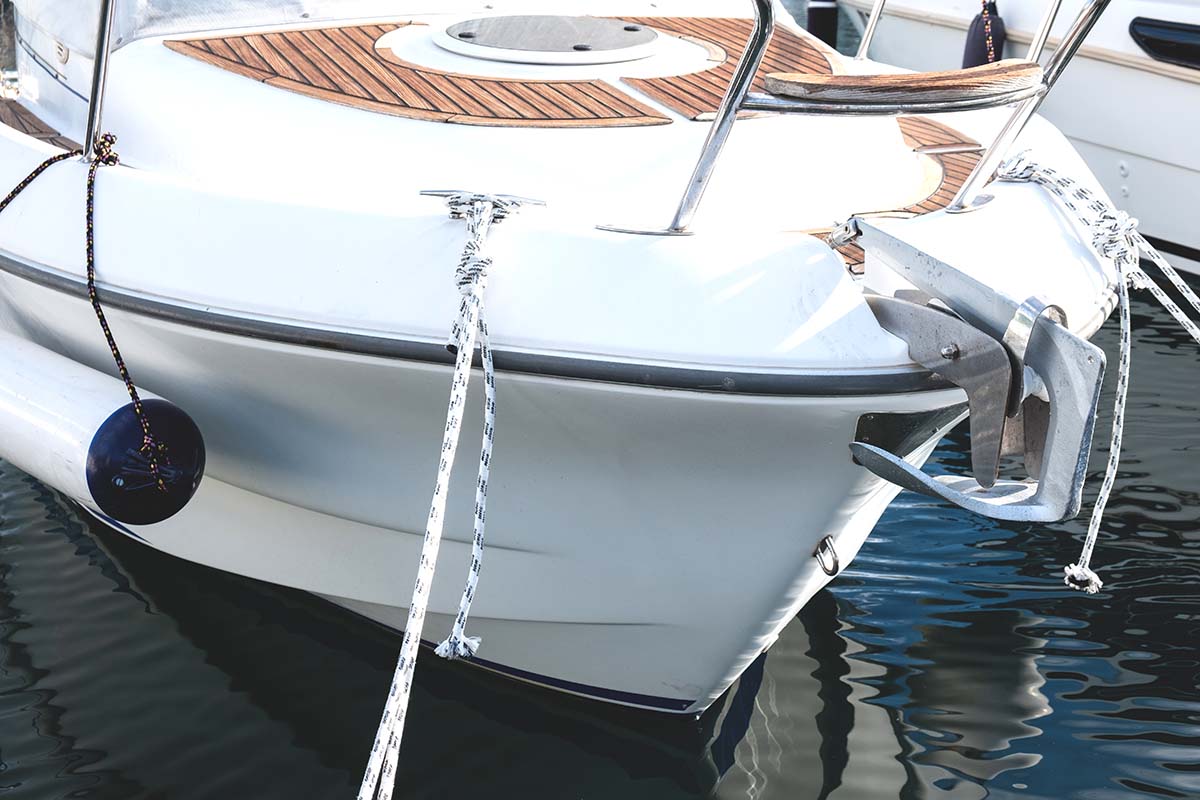
Crew members should prepare docking equipment such as mooring lines and fenders. Fenders must be placed along the sides of the yacht where it may come into contact with the dock. Dock lines should be organized and ready to secure the vessel quickly once it reaches the berth.
It is also important to check wind direction, water currents, and nearby boat traffic. Understanding these conditions allows the captain to plan the safest approach to the dock.
Reducing Speed and Maintaining Control
Large yachts should always approach the dock at a very slow speed. Slow movement gives the captain more time to adjust the yacht’s direction and prevents sudden impacts with the dock.
Maintaining control of the vessel is essential. Gentle throttle adjustments and careful steering help keep the yacht aligned with the berth. Sudden movements should be avoided because they can make the vessel difficult to control in tight marina spaces.
Many experienced captains follow the rule that a yacht should move slowly enough that any contact with the dock would cause minimal damage.
Using Thrusters and Engines
Modern large yachts often come equipped with bow thrusters and stern thrusters. These systems allow the captain to move the front or rear of the yacht sideways, making docking much easier.
Thrusters are particularly helpful when maneuvering in narrow marina channels or when strong winds are pushing the yacht away from the dock. However, they should be used gently and carefully, as excessive power can create unnecessary movement.
In addition to thrusters, twin engines can also assist with turning and positioning the yacht. By adjusting engine power independently, captains can pivot the vessel more precisely.
Communication with the Crew
Docking a large yacht is rarely a one-person job. Clear communication between the captain and crew members is essential for a successful docking operation.
Crew members are usually positioned at the bow, stern, and along the sides of the yacht to monitor distances from the dock. They provide signals or verbal instructions to help guide the captain during the approach.
Hand signals, radios, or headsets are commonly used to maintain communication. This teamwork ensures that any adjustments can be made quickly and safely.
Positioning the Yacht Correctly
As the yacht approaches the berth, the goal is to align it properly with the dock before securing it with lines. The captain should gradually bring the vessel parallel to the dock or position it according to the marina’s docking style.
In some marinas, yachts dock side-to along the pier. In others, the vessel may reverse into the berth with the stern facing the dock. Each method requires careful positioning to ensure there is enough space between nearby boats.
Taking time to align the yacht correctly reduces the risk of collisions and makes it easier for the crew to secure the lines.
Securing the Yacht with Mooring Lines
Once the yacht is close enough to the dock, crew members begin securing mooring lines to dock cleats. The main lines used in docking include bow lines, stern lines, and spring lines.
Bow lines secure the front of the yacht, while stern lines hold the rear in place. Spring lines help prevent the vessel from moving forward or backward along the dock.
Proper tension in these lines is important. The yacht should remain stable but still have enough flexibility to adjust to small movements caused by waves or tides.
Protecting the Yacht with Fenders
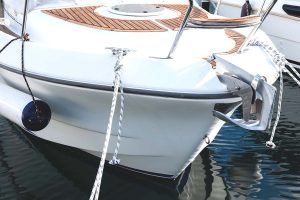
Fenders act as protective cushions between the yacht and the dock. They are essential for preventing scratches, dents, or structural damage during docking.
Before approaching the dock, fenders should be placed at the correct height along the yacht’s hull. This ensures that any contact with the dock will be absorbed by the fenders instead of the vessel itself.
Adjusting fender placement based on dock height and water levels can further improve protection.
Practicing Docking Skills
Like any boating skill, docking large yachts improves with practice. Beginners should practice docking in calm weather conditions before attempting more challenging situations involving wind or strong currents.
Many yacht owners also choose to take professional training courses that teach advanced docking techniques. Learning from experienced instructors can significantly improve confidence and safety on the water.
Over time, captains develop a better understanding of how their yacht responds to steering, throttle adjustments, and environmental conditions.
Safety Tips for Beginners
Safety should always remain the top priority during docking. Crew members should never place their hands or feet between the yacht and the dock because sudden movement can cause serious injury.
Life jackets should be available, especially when docking in rough conditions. Maintaining a slow speed and staying alert to nearby boats also reduces the risk of accidents.
If a docking attempt becomes unstable, it is often safer to move away from the dock and try again rather than forcing the maneuver.
Conclusion
Docking a large yacht may seem intimidating for beginners, but with proper preparation, teamwork, and patience, it becomes a manageable task. Understanding the vessel’s handling characteristics, preparing docking equipment in advance, and maintaining clear communication with the crew all contribute to a successful docking experience. Modern technologies such as thrusters can also assist in maneuvering large yachts in tight marina spaces. With practice and attention to safety, new yacht operators can develop the skills needed to dock their vessels confidently and protect their valuable investment.


Post Comment